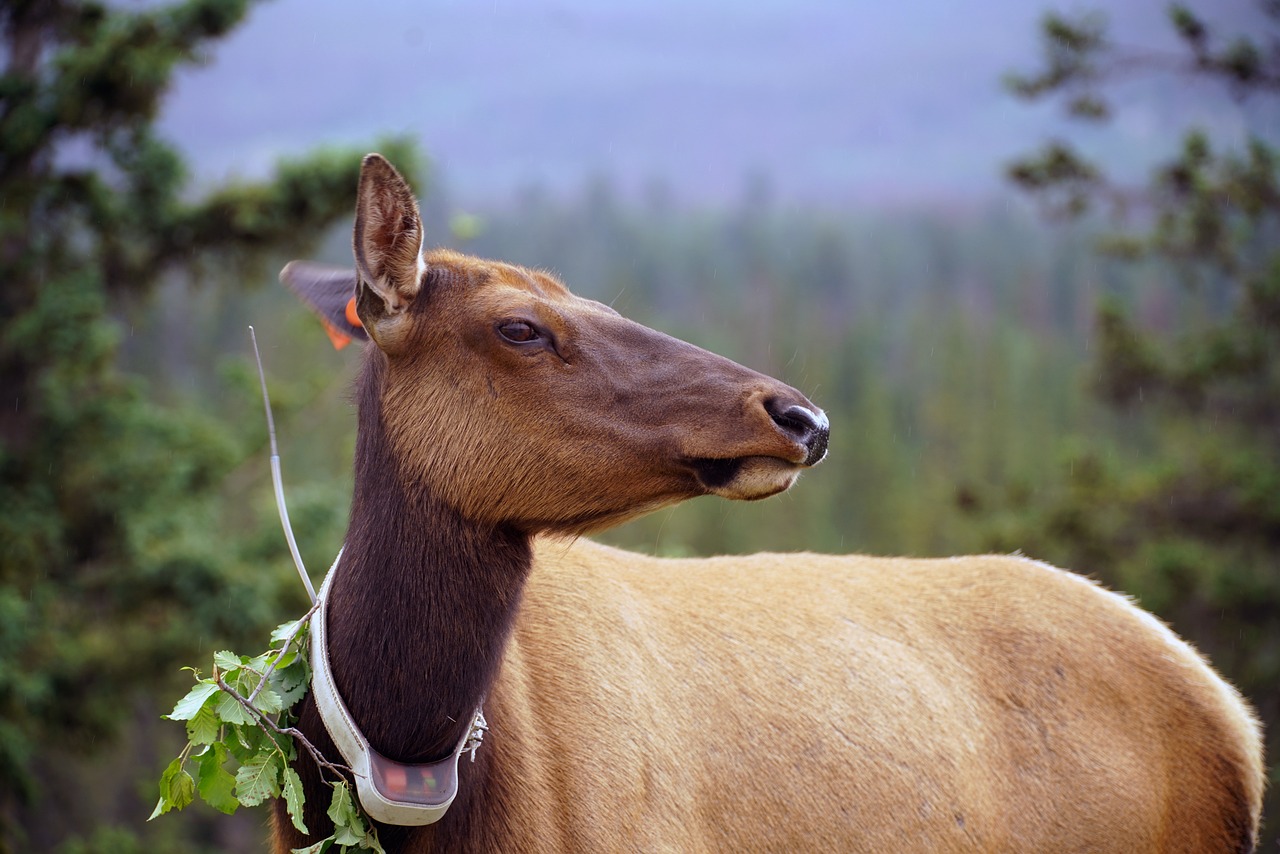
I am part-way through collecting data for a project looking at ethics and welfare in wildlife marking and monitoring (leg rings, satellite trackers etc.). The use of ‘tagging’ in wildlife research is increasingly common and is seen by many to be essential for studying at risk species, particularly those which migrate across human borders. However, tagging may result in welfare consequences for individual animals. My aim is to focus attention on the individual, in a field where the primary purpose is protection of whole species. Click the title to keep reading.
Tag Archives: welfare
Emotional Elephants: The Role of Symbiotic Ethics in an Anthropocentric Study
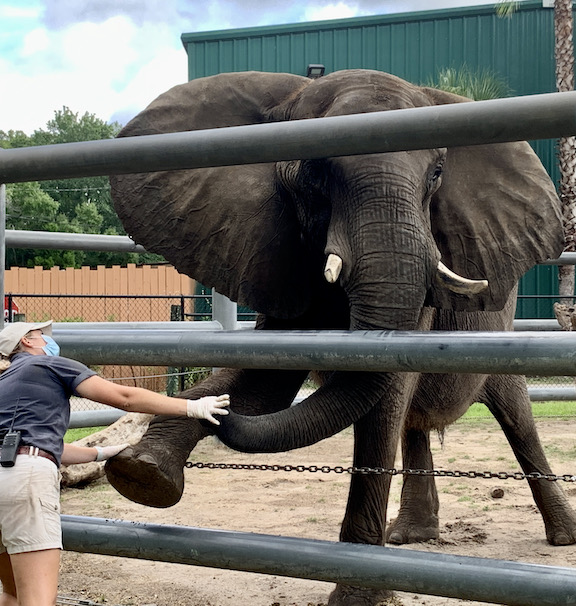
Zoos are widely considered places of societal and environmental importance. While there is ongoing debate regarding the ethics of captivity (e.g., Gruen, 2014; Gray, 2017; DeGrazia, 2011, Donahue and Trump, 2006), most otherthanhuman animals (henceforth animals) who reside in zoos are captive bred (Gray, 2017) and are not viable for release. Therefore, efforts must focus on ensuring they experience the highest standards of care throughout their lives in zoological facilities. Zoo histories have been documented for more than four thousand years (Carr and Cohen, 2011; Mullan and Marvin, 1987; Braverman, 2013; Gray 2017; Norton et al., 2012; Hosey et al., 2009; Grazien, 2015). Over those millennia, the manner in which animals are managed by humans has evolved but the allure of experiencing wild animals in person remains unchanged. In fact, attendance at these cultural trans-species attractions continues to grow, as evidenced by the approximate 700 million visitors to zoos annually (WAZA, 2020; Gray, 2017). Over the course of such visits, zoo users are routinely presented with encounters involving zoo staff and resident animals.
Click the title to keep reading.
 Anthrozoology as Symbiotic Ethics