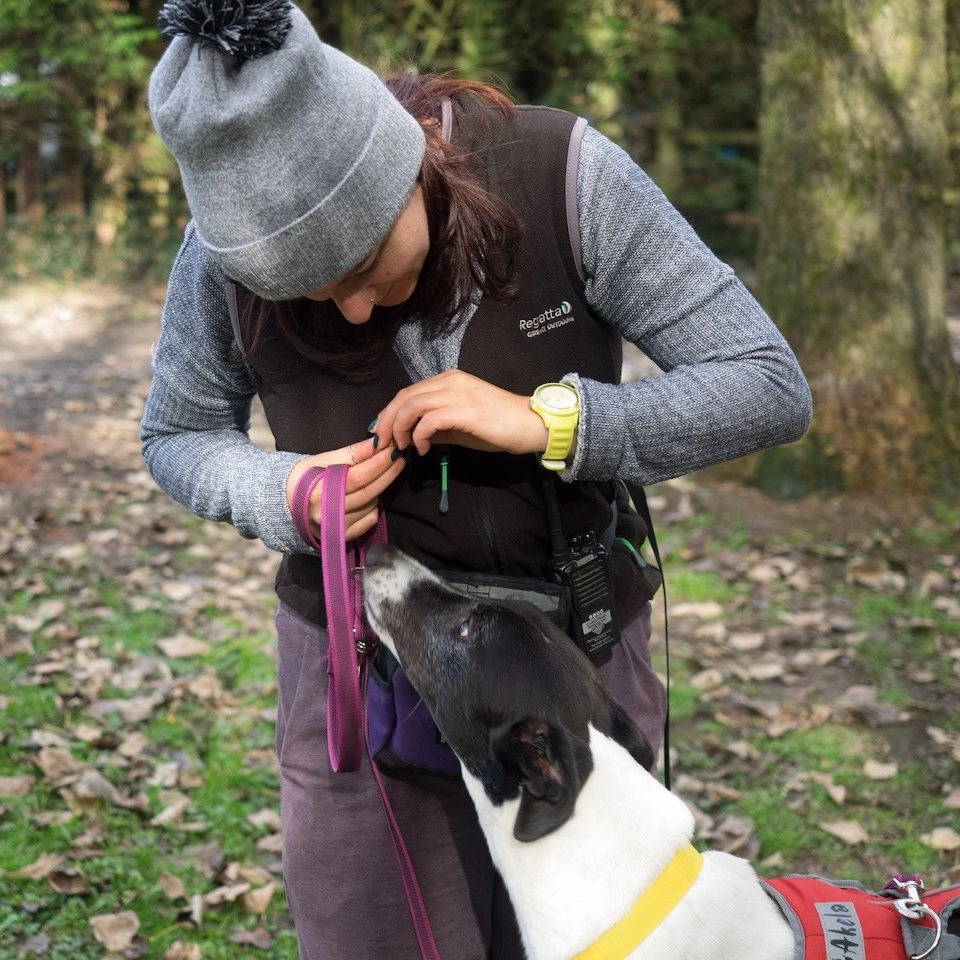
Image credit: Kerry Herbert Kerry Herbert and Emily Stone In “Critical Pet Studies?” Nast (2006) calls attention to how, since the 1990s, many persons living in post-industrial contexts have been financially and emotionally investing in ‘pets’ (especially dogs), profoundly affecting what is considered to be a socially appropriate object of love and affection. She suggestedContinue reading “Critical Pet Studies Through a Symbiotic Ethics Lens: A Provocation “
Tag Archives: symbiotic ethics
Creating space and time for an affective anthrozoology – developing The Affective Café
How might we resolve what we find difficult, complex or uncomfortable during our research as anthrozoologists?
This is a question that members of the Exeter Anthrozoology as Symbiotic Ethics (EASE) working group at the University of Exeter have been pondering since before the group was established, and the emotional impact of foregrounding the ethical was one of the motivating factors influencing the formation of EASE. Our approach to Anthrozoology is grounded in symbiotic ethics and as such we are deeply concerned with the ways in which we might ethically navigate our own and others’ emotional landscapes during the pursuit of both trans-species research and trans-species co-existence.
Click the title to read more.
Tracking down the trackers
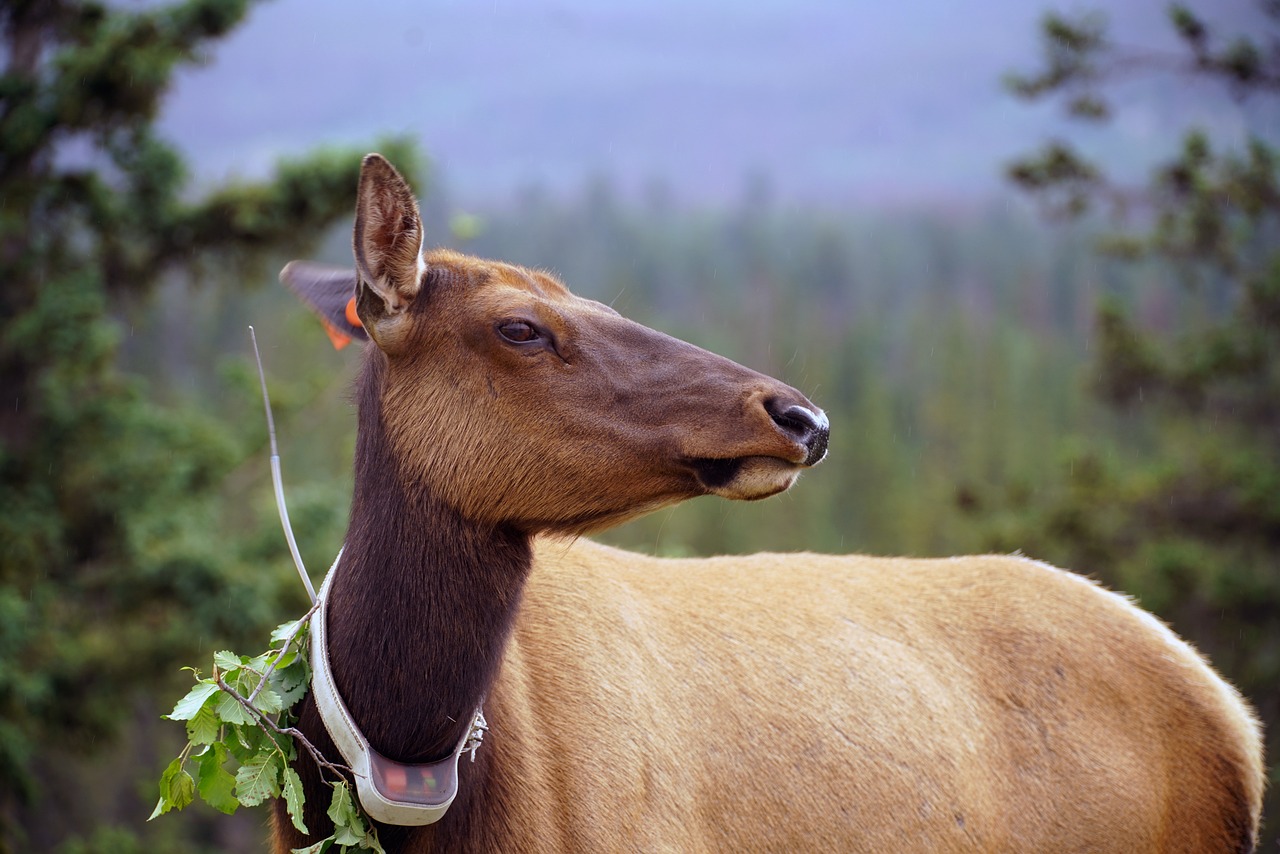
I am part-way through collecting data for a project looking at ethics and welfare in wildlife marking and monitoring (leg rings, satellite trackers etc.). The use of ‘tagging’ in wildlife research is increasingly common and is seen by many to be essential for studying at risk species, particularly those which migrate across human borders. However, tagging may result in welfare consequences for individual animals. My aim is to focus attention on the individual, in a field where the primary purpose is protection of whole species. Click the title to keep reading.
Anthrozoology as International Practice (AIP): A Student Conference Organised by EASE PGRs and Alumni
Hosted by the University of Exeter’s Anthrozoology as Symbiotic Ethics (EASE) working group, the second Anthrozoology as International Practice (AIP) student conference is scheduled to take place virtually 11-12 November 2022. We welcomed submissions from students from a range of educational experiences and early-career researchers in anthrozoology and related fields (such as human-animal studies, natural sciences, history, and philosophy) from around the world. We sought to promote research that considers more-than-human animals as ethically significant beings and not merely research subjects. As such, presenters were asked to consider how their research aligns to the principles of Exeter Anthrozoology as Symbiotic Ethics (EASE).
An afternoon with Barbara J. King: Cultivating compassionate living with multispecies kin
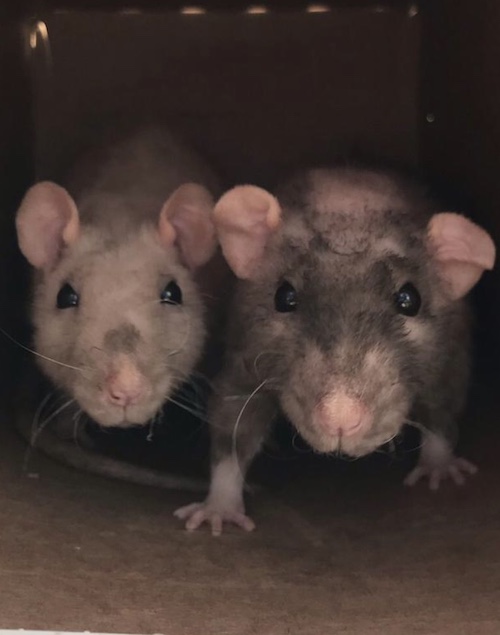
From the outset of my studies at the University of Exeter I had keenly anticipated my Anthrozoology Residential 2022 attendance. The weekend had finally arrived, although the theme of ‘living and dying with other animals’, had unfortunately turned out to be personally poignant. My beloved rat, Otto, had recently been diagnosed with an incurable illness, culminating in me juggling conference attendance with the responsibility of providing end-of-life care. However, through reflexive thinking (Salzman, 2002), I now see that despite these negative pressures, one talk, Animal love and grief: The role of understanding animals’ emotions in resisting human exceptionalism by Barbara J. King (2022a), particularly contributed to my individual experience, as well as several fundamental aims of the Exeter Anthrozoology as Symbiotic Ethics (EASE) working group (EASE, no date).
Click the title to keep reading.
De Nuevo Estoy de Vuelta
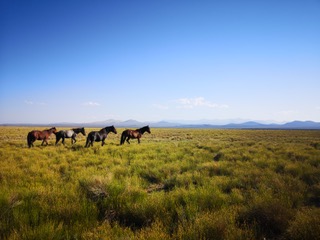
My reconnaissance trip to Argentina is drawing to a close, and there is much on which to reflect…
The curiosity that shaped my research question, “How do horses and humans communicate in the Himalayas and Argentina”, was born while I lived in Argentina and before I had any idea of its future academic evolution. During the pandemic I was stuck in the UK, and my personal interest shaped itself into the idea for this PhD thesis. Many research related documents require certainty in the plans you present. In current times, plans need flexibility to accommodate the unexpected. These two elements lie in tension.
This is the first time I have been back to Argentina since the pandemic and since the development of my PhD thesis on the construction of horse-human communication. During this trip, imagination and theory finally met reality.
Click the title to keep reading.
The Human Coffee Room: Performative research and the ethics of civet coffee production
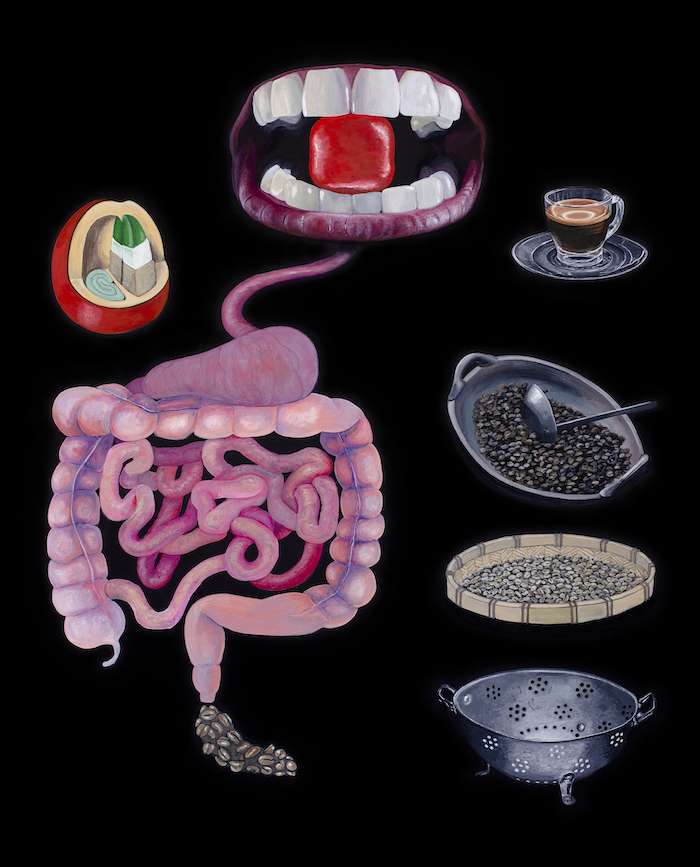
In May 2022, Exeter’s Anthrozoology as Symbiotic Ethics (EASE) working group member, Jes Hooper, travelled to Helsinki to deliver a seminar on human-civet interactions. The seminar was part of an ongoing transdisciplinary and transnational project with Finnish art duo Harrie Liveart, and was held in their solo exhibition in Gallery Forum Box, Finland.
The exhibition comes from the multiyear artistic project ‘Collective Perversion – Proposal for Revaluation’, an investigation of water consumption from the perspective of the water toilet which makes tangible the alienation that fuels capitalist exploitation. The artists have set out to challenge this alienation, drawing attention to cultural attitudes towards bodily processes and to the significance of more-than-human entanglements both within our bodies and wider ecosystems.
Click the title to keep reading.
Respecting the privacy of my feline research participants
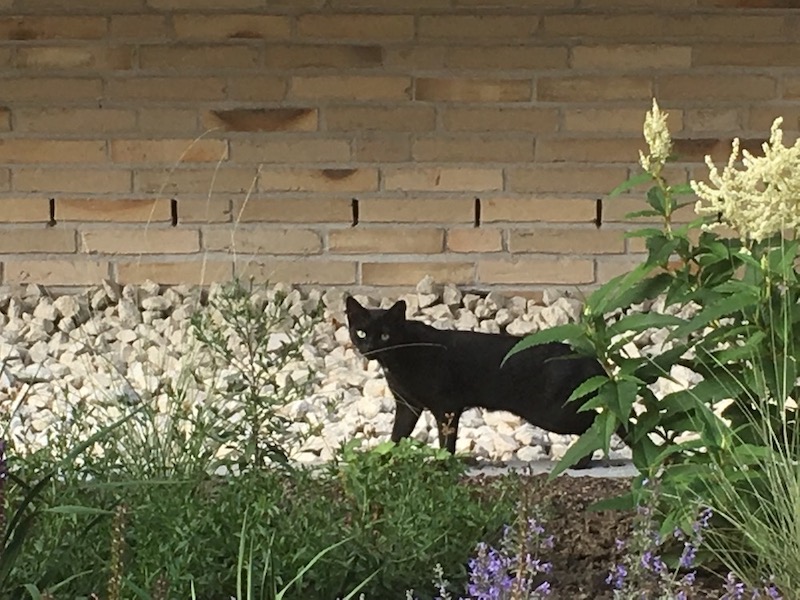
The above ‘announcement’ (Figure 1) showed up in one of the many Facebook groups for domestic cat (Felis catus) guardians and enthusiasts that I am a member of. The post makes fun of the EU’s relatively new General Data Protection Regulation (GPDR) legislation, but in doing so it trivialises the notion of privacy being extended to more-than-human animals (hereafter abbreviated to animals). The message implies that the notion of extending privacy rights to cats is ridiculous. But is it? The concept of privacy in relation to animals is something I continue to grapple with, both as a researcher and personally as a cat guardian.
Click the title to keep reading.
Emotional Elephants: The Role of Symbiotic Ethics in an Anthropocentric Study
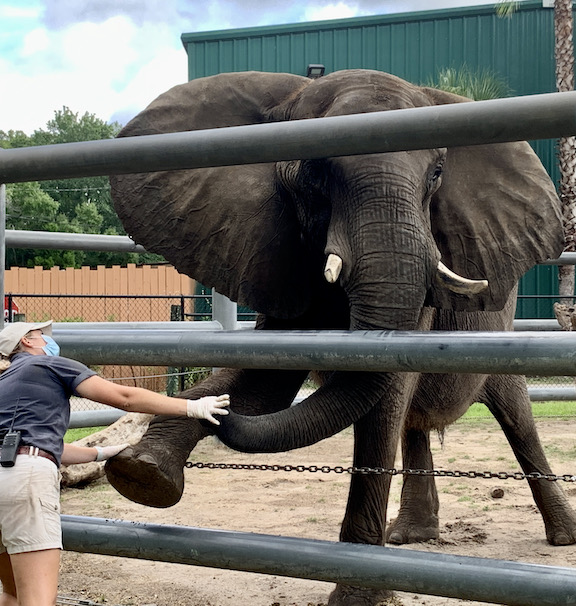
Zoos are widely considered places of societal and environmental importance. While there is ongoing debate regarding the ethics of captivity (e.g., Gruen, 2014; Gray, 2017; DeGrazia, 2011, Donahue and Trump, 2006), most otherthanhuman animals (henceforth animals) who reside in zoos are captive bred (Gray, 2017) and are not viable for release. Therefore, efforts must focus on ensuring they experience the highest standards of care throughout their lives in zoological facilities. Zoo histories have been documented for more than four thousand years (Carr and Cohen, 2011; Mullan and Marvin, 1987; Braverman, 2013; Gray 2017; Norton et al., 2012; Hosey et al., 2009; Grazien, 2015). Over those millennia, the manner in which animals are managed by humans has evolved but the allure of experiencing wild animals in person remains unchanged. In fact, attendance at these cultural trans-species attractions continues to grow, as evidenced by the approximate 700 million visitors to zoos annually (WAZA, 2020; Gray, 2017). Over the course of such visits, zoo users are routinely presented with encounters involving zoo staff and resident animals.
Click the title to keep reading.
Symbiotic ethics and valuing greyhound lives
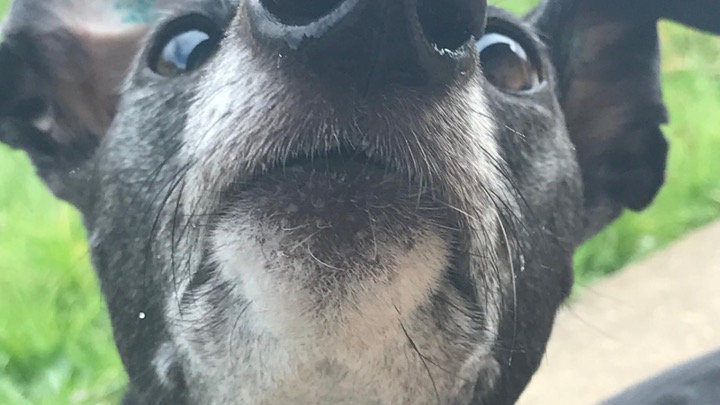
As a PhD student who is part of the EASE working group, my research is underpinned by the reframing of Anthrozoology as symbiotic ethics. This means that I conceive of and attend to the participants in my research as subjective, heterogenous and intrinsically valued beings. However, this ideological position presents some methodological challenges. The non-human others whose lives I am exploring dwell within animal-use industries, where considerations of non-human agency and volition grate against the normative flow of knowledge-production. My research focuses on exploring the lives and experiences of a presumed-homogenous population of dogs whom, for the past c100 years, have been instrumentalised in the name of human entertainment. Fusing together academic pursuit and frontline advocacy which involves caring for injured and unwanted race dogs, my work interrogates and problematises the commodification of greyhounds.
Click the title to keep reading.
 Anthrozoology as Symbiotic Ethics