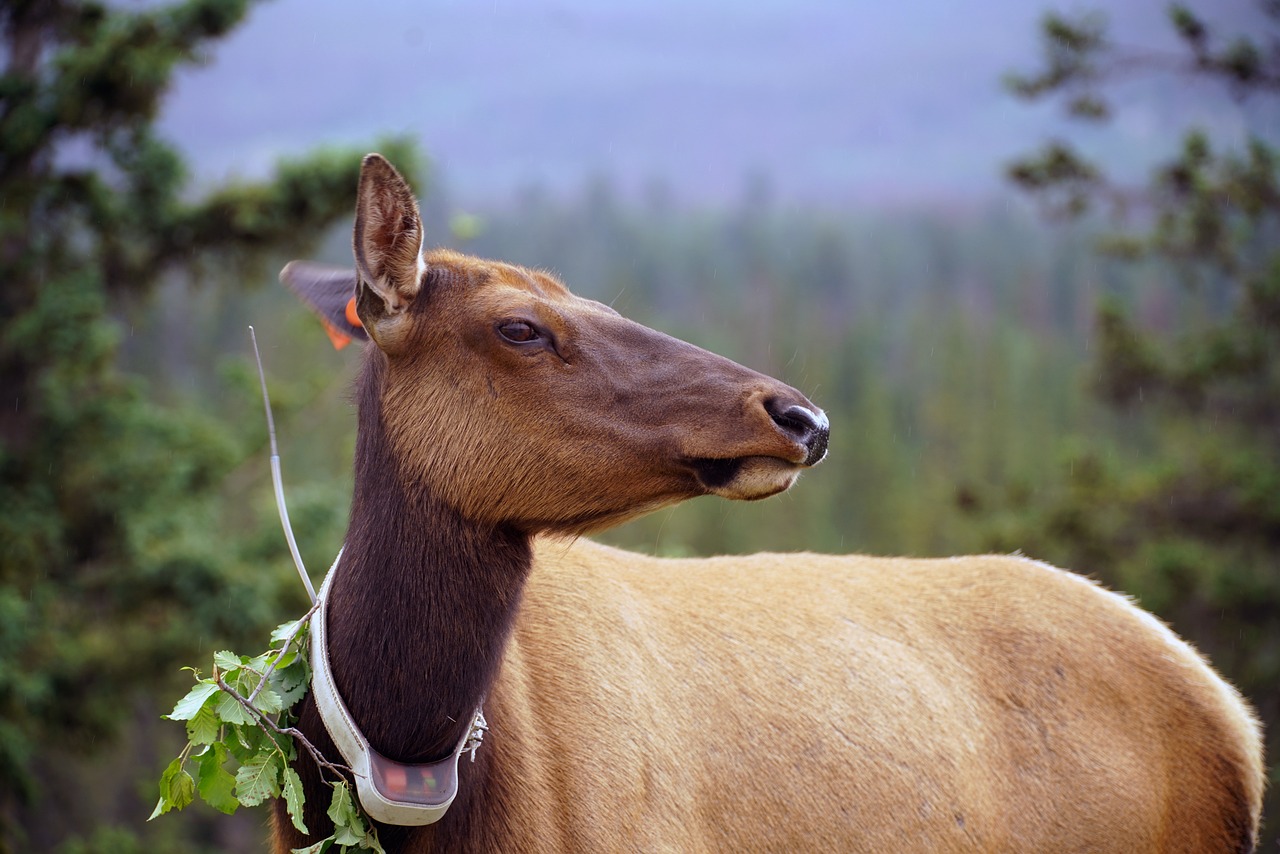
I am part-way through collecting data for a project looking at ethics and welfare in wildlife marking and monitoring (leg rings, satellite trackers etc.). The use of ‘tagging’ in wildlife research is increasingly common and is seen by many to be essential for studying at risk species, particularly those which migrate across human borders. However, tagging may result in welfare consequences for individual animals. My aim is to focus attention on the individual, in a field where the primary purpose is protection of whole species. Click the title to keep reading.
Tag Archives: survey
Not the Last Pandemic
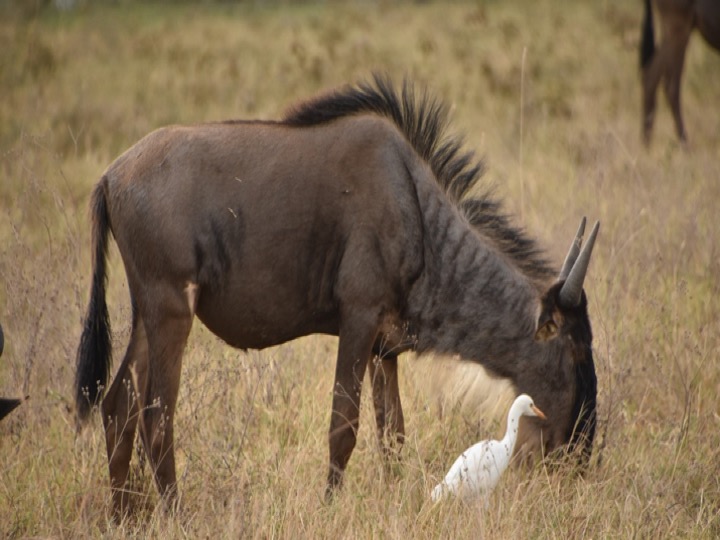
One researcher, one culture, one year. That is the traditional ideal for good ethnography (Randall et al., 2007). But how do you spend time in another culture when you can’t even leave your living room? When the COVID-19 pandemic struck I was preparing to travel to Kenya. Not for a year and not to write the traditional ethnography, but to conduct research for the new type of ethnography, a multispecies ethnography of a conservation encounter (Kiik, 2018; Moore, 2017). My research focuses on the ways that malignant catarrhal fever (a disease of wildebeest) affects Maasai livelihoods and conservation efforts. My time in Kenya would have revolved around interviewing local Maasai herders about their experiences with the disease and observing wildebeest (Connochaetes taurinus) to determine if Maasai persecution of them is changing their behavior, as is the case with other animals in human areas (Kioko et al., 2015; Ogutu et al., 2005; Schuette et al., 2013). However, when travel became impossible the staple methodologies behind my research also became impossible. In fact, the staple methodology, fieldwork, behind all anthropological research became impossible. So, what should we do? Should we sit in our ivory tower twiddling our thumbs and wait for the pandemic to pass? Should we then resume business as usual? What happens when the next pandemic strikes, as it certainly will?
Click the title to keep reading.
 Anthrozoology as Symbiotic Ethics