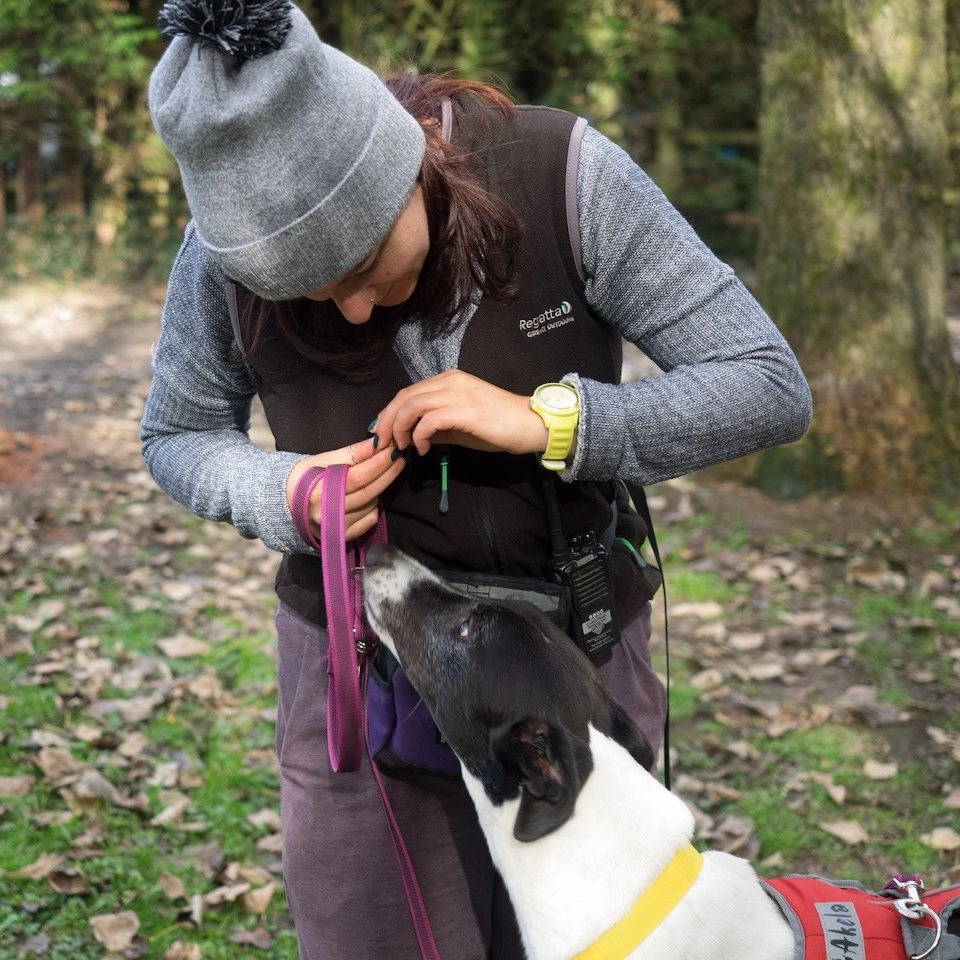
Image credit: Kerry Herbert Kerry Herbert and Emily Stone In “Critical Pet Studies?” Nast (2006) calls attention to how, since the 1990s, many persons living in post-industrial contexts have been financially and emotionally investing in ‘pets’ (especially dogs), profoundly affecting what is considered to be a socially appropriate object of love and affection. She suggestedContinue reading “Critical Pet Studies Through a Symbiotic Ethics Lens: A Provocation “
Tag Archives: otherthanhuman
Creating space and time for an affective anthrozoology – developing The Affective Café
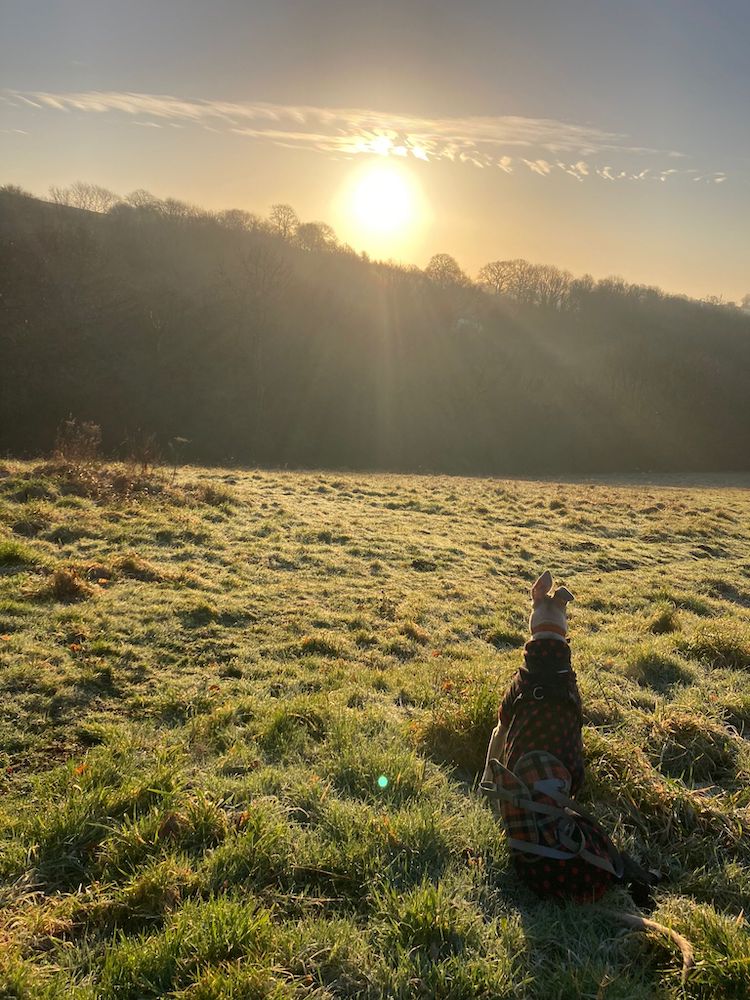
How might we resolve what we find difficult, complex or uncomfortable during our research as anthrozoologists?
This is a question that members of the Exeter Anthrozoology as Symbiotic Ethics (EASE) working group at the University of Exeter have been pondering since before the group was established, and the emotional impact of foregrounding the ethical was one of the motivating factors influencing the formation of EASE. Our approach to Anthrozoology is grounded in symbiotic ethics and as such we are deeply concerned with the ways in which we might ethically navigate our own and others’ emotional landscapes during the pursuit of both trans-species research and trans-species co-existence.
Click the title to read more.
Anthrozoology as International Practice (AIP): A Student Conference Organised by EASE PGRs and Alumni
Hosted by the University of Exeter’s Anthrozoology as Symbiotic Ethics (EASE) working group, the second Anthrozoology as International Practice (AIP) student conference is scheduled to take place virtually 11-12 November 2022. We welcomed submissions from students from a range of educational experiences and early-career researchers in anthrozoology and related fields (such as human-animal studies, natural sciences, history, and philosophy) from around the world. We sought to promote research that considers more-than-human animals as ethically significant beings and not merely research subjects. As such, presenters were asked to consider how their research aligns to the principles of Exeter Anthrozoology as Symbiotic Ethics (EASE).
De Nuevo Estoy de Vuelta
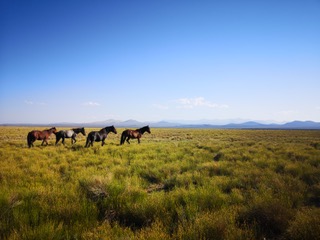
My reconnaissance trip to Argentina is drawing to a close, and there is much on which to reflect…
The curiosity that shaped my research question, “How do horses and humans communicate in the Himalayas and Argentina”, was born while I lived in Argentina and before I had any idea of its future academic evolution. During the pandemic I was stuck in the UK, and my personal interest shaped itself into the idea for this PhD thesis. Many research related documents require certainty in the plans you present. In current times, plans need flexibility to accommodate the unexpected. These two elements lie in tension.
This is the first time I have been back to Argentina since the pandemic and since the development of my PhD thesis on the construction of horse-human communication. During this trip, imagination and theory finally met reality.
Click the title to keep reading.
Respecting the privacy of my feline research participants
The above ‘announcement’ (Figure 1) showed up in one of the many Facebook groups for domestic cat (Felis catus) guardians and enthusiasts that I am a member of. The post makes fun of the EU’s relatively new General Data Protection Regulation (GPDR) legislation, but in doing so it trivialises the notion of privacy being extended to more-than-human animals (hereafter abbreviated to animals). The message implies that the notion of extending privacy rights to cats is ridiculous. But is it? The concept of privacy in relation to animals is something I continue to grapple with, both as a researcher and personally as a cat guardian.
Click the title to keep reading.
 Anthrozoology as Symbiotic Ethics