Creating space and time for an affective anthrozoology – developing The Affective Café

How might we resolve what we find difficult, complex or uncomfortable during our research as anthrozoologists?  

This is a question that members of the Exeter Anthrozoology as Symbiotic Ethics (EASE) working group at the University of Exeter have been pondering since before the group was established, and the emotional impact of foregrounding the ethical was one of the motivating factors influencing the formation of EASE. Our approach to Anthrozoology is grounded in symbiotic ethics and as such we are deeply concerned with the ways in which we might ethically navigate our own and others’ emotional landscapes during the pursuit of both trans-species research and trans-species co-existence.
Click the title to read more.
An afternoon with Barbara J. King: Cultivating compassionate living with multispecies kin

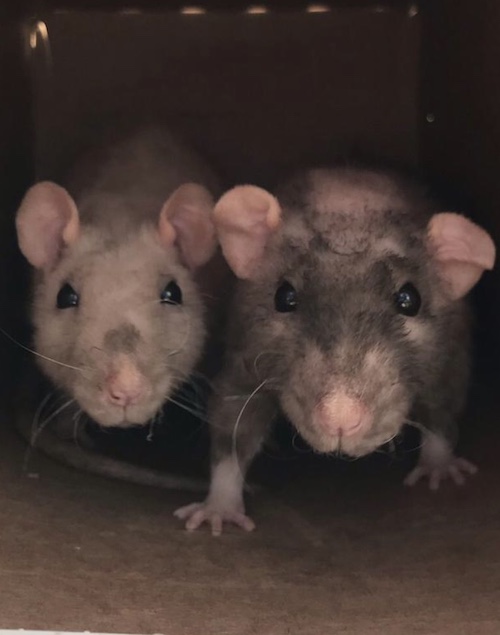
From the outset of my studies at the University of Exeter I had keenly anticipated my Anthrozoology Residential 2022 attendance. The weekend had finally arrived, although the theme of ‘living and dying with other animals’, had unfortunately turned out to be personally poignant. My beloved rat, Otto, had recently been diagnosed with an incurable illness, culminating in me juggling conference attendance with the responsibility of providing end-of-life care. However, through reflexive thinking (Salzman, 2002), I now see that despite these negative pressures, one talk, Animal love and grief: The role of understanding animals’ emotions in resisting human exceptionalism by Barbara J. King (2022a), particularly contributed to my individual experience, as well as several fundamental aims of the Exeter Anthrozoology as Symbiotic Ethics (EASE) working group (EASE, no date).
Click the title to keep reading.