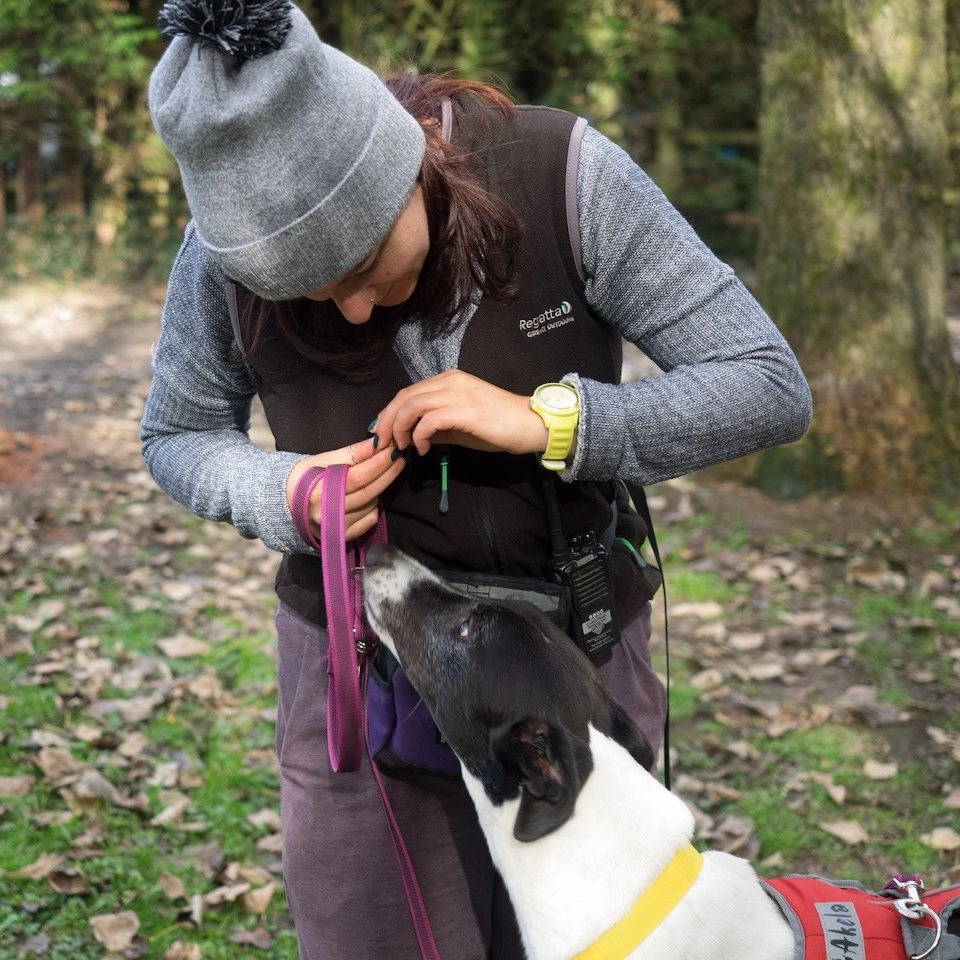
Image credit: Kerry Herbert Kerry Herbert and Emily Stone In “Critical Pet Studies?” Nast (2006) calls attention to how, since the 1990s, many persons living in post-industrial contexts have been financially and emotionally investing in ‘pets’ (especially dogs), profoundly affecting what is considered to be a socially appropriate object of love and affection. She suggestedContinue reading “Critical Pet Studies Through a Symbiotic Ethics Lens: A Provocation “
Tag Archives: dogs
De Nuevo Estoy de Vuelta
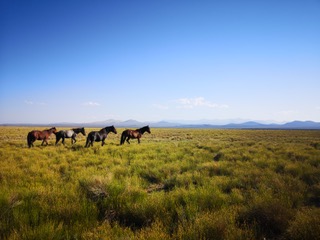
My reconnaissance trip to Argentina is drawing to a close, and there is much on which to reflect…
The curiosity that shaped my research question, “How do horses and humans communicate in the Himalayas and Argentina”, was born while I lived in Argentina and before I had any idea of its future academic evolution. During the pandemic I was stuck in the UK, and my personal interest shaped itself into the idea for this PhD thesis. Many research related documents require certainty in the plans you present. In current times, plans need flexibility to accommodate the unexpected. These two elements lie in tension.
This is the first time I have been back to Argentina since the pandemic and since the development of my PhD thesis on the construction of horse-human communication. During this trip, imagination and theory finally met reality.
Click the title to keep reading.
Guiding Emotions: Interspecies, Qualitative Research During a Pandemic

A few months into 2020, governments internationally introduced varying degrees of lockdowns and social distancing to combat the spread of the SAR-CoV-2 virus (Gollwitzer et al. 2020). Seemingly overnight, PhD candidates were faced with entirely redesigning their data collection process, navigating through a cloud of urgency and uncertainty (Roy and Uekusa, 2020: 384). I wish to discuss some of the challenges of conducting virtual, symbiotic ethics research in pandemic environments and, without wishing to sound distasteful, some potential “silver linings” found in doing so. I began a PhD in anthrozoology in January of 2020, which defines the emotional labour of guide dogs and their instructors at Irish Guide Dogs for the Blind (also known as GDMIs). When referring to emotional labour, I refer to the management of feelings to portray professional demeanours in work-related interactions (Hochschild, 1979; 1983). This became a challenge, as I am living in Germany with interlocutors based in Ireland. Research concerning trans-species work, as well as emotion management, is often explored through participant observation. Therefore, this research, an intersection of both, found itself in a unique position when placed under travel restrictions and social distancing measures. The pandemic ushered forward questions of how multispecies ethnographies can be approached in posthuman, pandemic, and post-pandemic environments.
Click the title to keep reading.
Symbiotic ethics and valuing greyhound lives
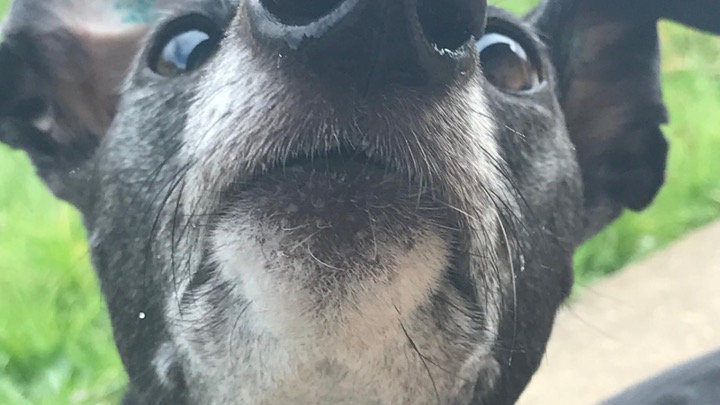
As a PhD student who is part of the EASE working group, my research is underpinned by the reframing of Anthrozoology as symbiotic ethics. This means that I conceive of and attend to the participants in my research as subjective, heterogenous and intrinsically valued beings. However, this ideological position presents some methodological challenges. The non-human others whose lives I am exploring dwell within animal-use industries, where considerations of non-human agency and volition grate against the normative flow of knowledge-production. My research focuses on exploring the lives and experiences of a presumed-homogenous population of dogs whom, for the past c100 years, have been instrumentalised in the name of human entertainment. Fusing together academic pursuit and frontline advocacy which involves caring for injured and unwanted race dogs, my work interrogates and problematises the commodification of greyhounds.
Click the title to keep reading.
 Anthrozoology as Symbiotic Ethics