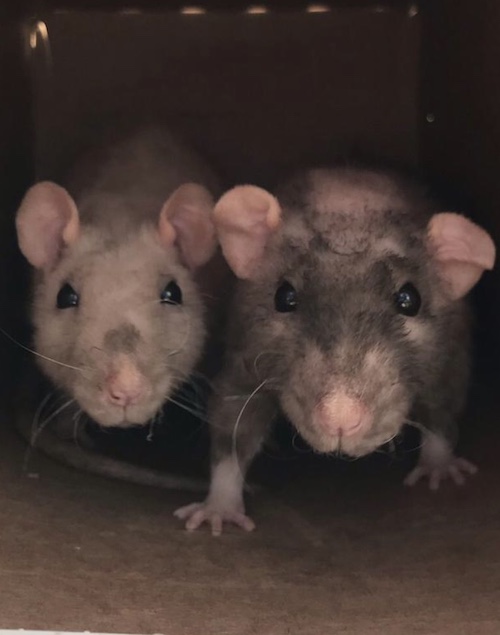
From the outset of my studies at the University of Exeter I had keenly anticipated my Anthrozoology Residential 2022 attendance. The weekend had finally arrived, although the theme of ‘living and dying with other animals’, had unfortunately turned out to be personally poignant. My beloved rat, Otto, had recently been diagnosed with an incurable illness, culminating in me juggling conference attendance with the responsibility of providing end-of-life care. However, through reflexive thinking (Salzman, 2002), I now see that despite these negative pressures, one talk, Animal love and grief: The role of understanding animals’ emotions in resisting human exceptionalism by Barbara J. King (2022a), particularly contributed to my individual experience, as well as several fundamental aims of the Exeter Anthrozoology as Symbiotic Ethics (EASE) working group (EASE, no date).
Click the title to keep reading.
Tag Archives: applied research
Symbiotic ethics and valuing greyhound lives
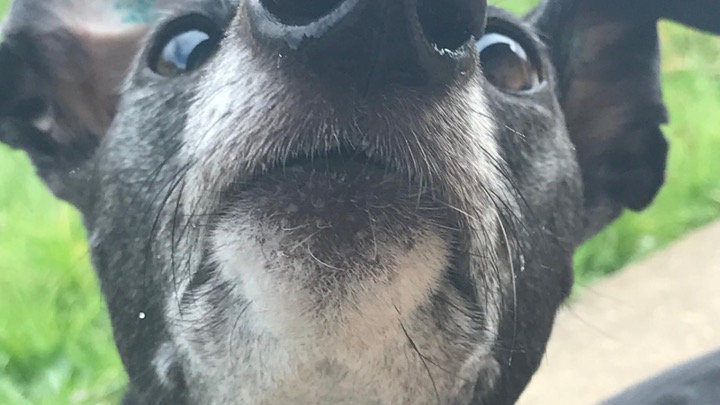
As a PhD student who is part of the EASE working group, my research is underpinned by the reframing of Anthrozoology as symbiotic ethics. This means that I conceive of and attend to the participants in my research as subjective, heterogenous and intrinsically valued beings. However, this ideological position presents some methodological challenges. The non-human others whose lives I am exploring dwell within animal-use industries, where considerations of non-human agency and volition grate against the normative flow of knowledge-production. My research focuses on exploring the lives and experiences of a presumed-homogenous population of dogs whom, for the past c100 years, have been instrumentalised in the name of human entertainment. Fusing together academic pursuit and frontline advocacy which involves caring for injured and unwanted race dogs, my work interrogates and problematises the commodification of greyhounds.
Click the title to keep reading.
 Anthrozoology as Symbiotic Ethics