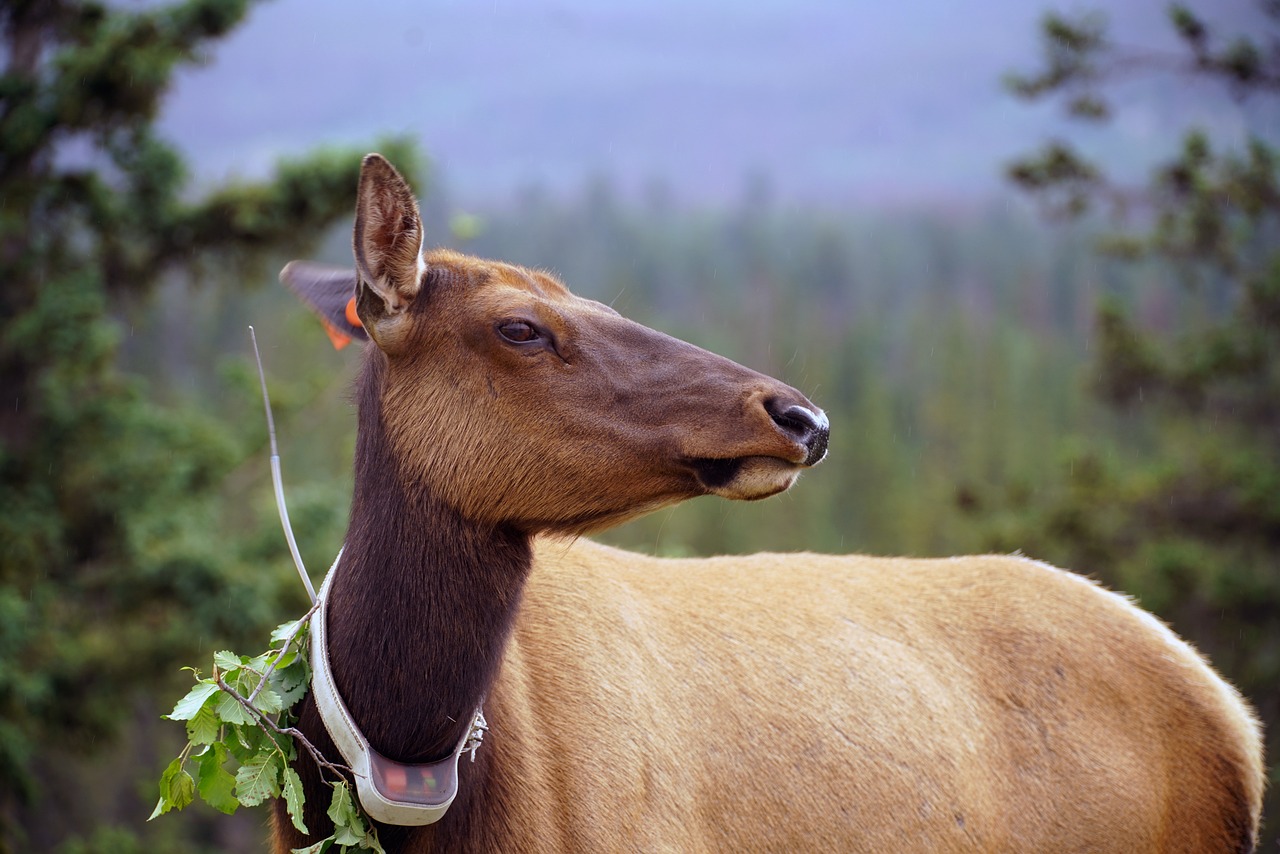
I am part-way through collecting data for a project looking at ethics and welfare in wildlife marking and monitoring (leg rings, satellite trackers etc.). The use of ‘tagging’ in wildlife research is increasingly common and is seen by many to be essential for studying at risk species, particularly those which migrate across human borders. However, tagging may result in welfare consequences for individual animals. My aim is to focus attention on the individual, in a field where the primary purpose is protection of whole species. Click the title to keep reading.
Category Archives: Symbiotic ethics and methodology
De Nuevo Estoy de Vuelta
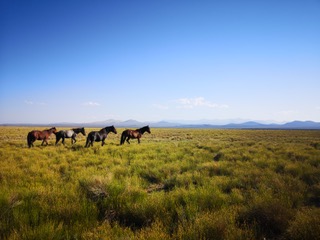
My reconnaissance trip to Argentina is drawing to a close, and there is much on which to reflect…
The curiosity that shaped my research question, “How do horses and humans communicate in the Himalayas and Argentina”, was born while I lived in Argentina and before I had any idea of its future academic evolution. During the pandemic I was stuck in the UK, and my personal interest shaped itself into the idea for this PhD thesis. Many research related documents require certainty in the plans you present. In current times, plans need flexibility to accommodate the unexpected. These two elements lie in tension.
This is the first time I have been back to Argentina since the pandemic and since the development of my PhD thesis on the construction of horse-human communication. During this trip, imagination and theory finally met reality.
Click the title to keep reading.
The Human Coffee Room: Performative research and the ethics of civet coffee production
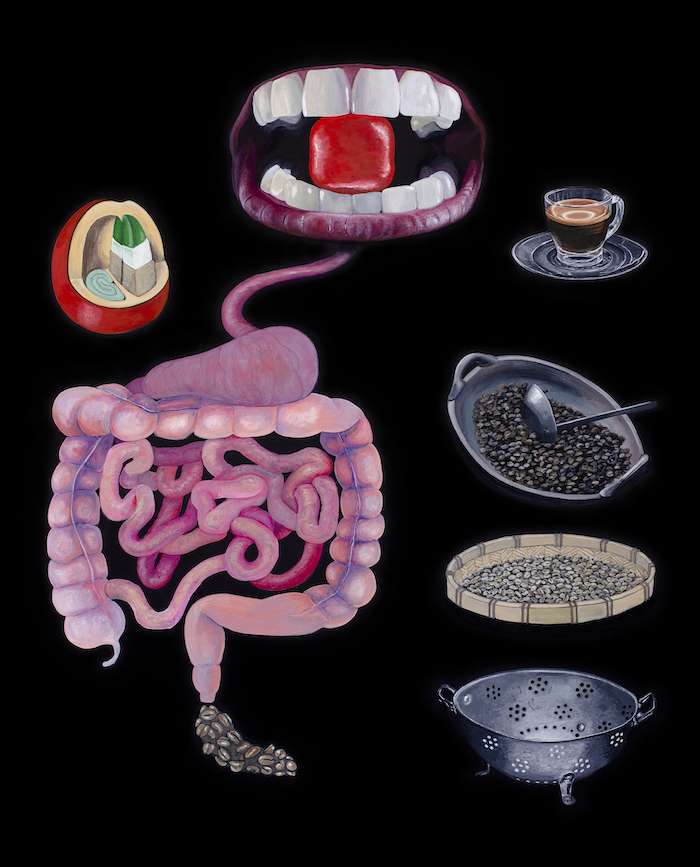
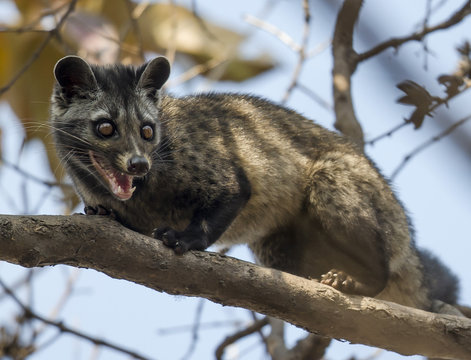
In May 2022, Exeter’s Anthrozoology as Symbiotic Ethics (EASE) working group member, Jes Hooper, travelled to Helsinki to deliver a seminar on human-civet interactions. The seminar was part of an ongoing transdisciplinary and transnational project with Finnish art duo Harrie Liveart, and was held in their solo exhibition in Gallery Forum Box, Finland.
The exhibition comes from the multiyear artistic project ‘Collective Perversion – Proposal for Revaluation’, an investigation of water consumption from the perspective of the water toilet which makes tangible the alienation that fuels capitalist exploitation. The artists have set out to challenge this alienation, drawing attention to cultural attitudes towards bodily processes and to the significance of more-than-human entanglements both within our bodies and wider ecosystems.
Click the title to keep reading.
Staying Grounded with Coffee Beans: Conducting Multi-Sited and Multi-Species Research in a Global Pandemic
It’s a bright beautiful morning as I stand outside a local coffee roaster off the cobbled high street in the Sussex town of Lewes. It’s my first visit to this café which has been suggested to me by a friend who only recently moved back to the area from travelling abroad. Quite unassuming from the outside, I peer through the window where I immediately see a hustle and bustle of activity. Groups of friends, solo visitors, and couples occupy each table, and multiple floor spaces and laps are taken by four legged friends. As I step through the threshold, I find my senses are awash with smells and sounds of my new surroundings. My hearing adjusts, there is comfort in the blend of background noises, the mechanical grinding of beans, the steaming of milk and the chatter of conversation. I inhale deeply as the scent of coffee envelopes my nostrils. It’s like entering another world. A world which is oddly familiar for a first encounter.
Click the title to keep reading.
Guiding Emotions: Interspecies, Qualitative Research During a Pandemic
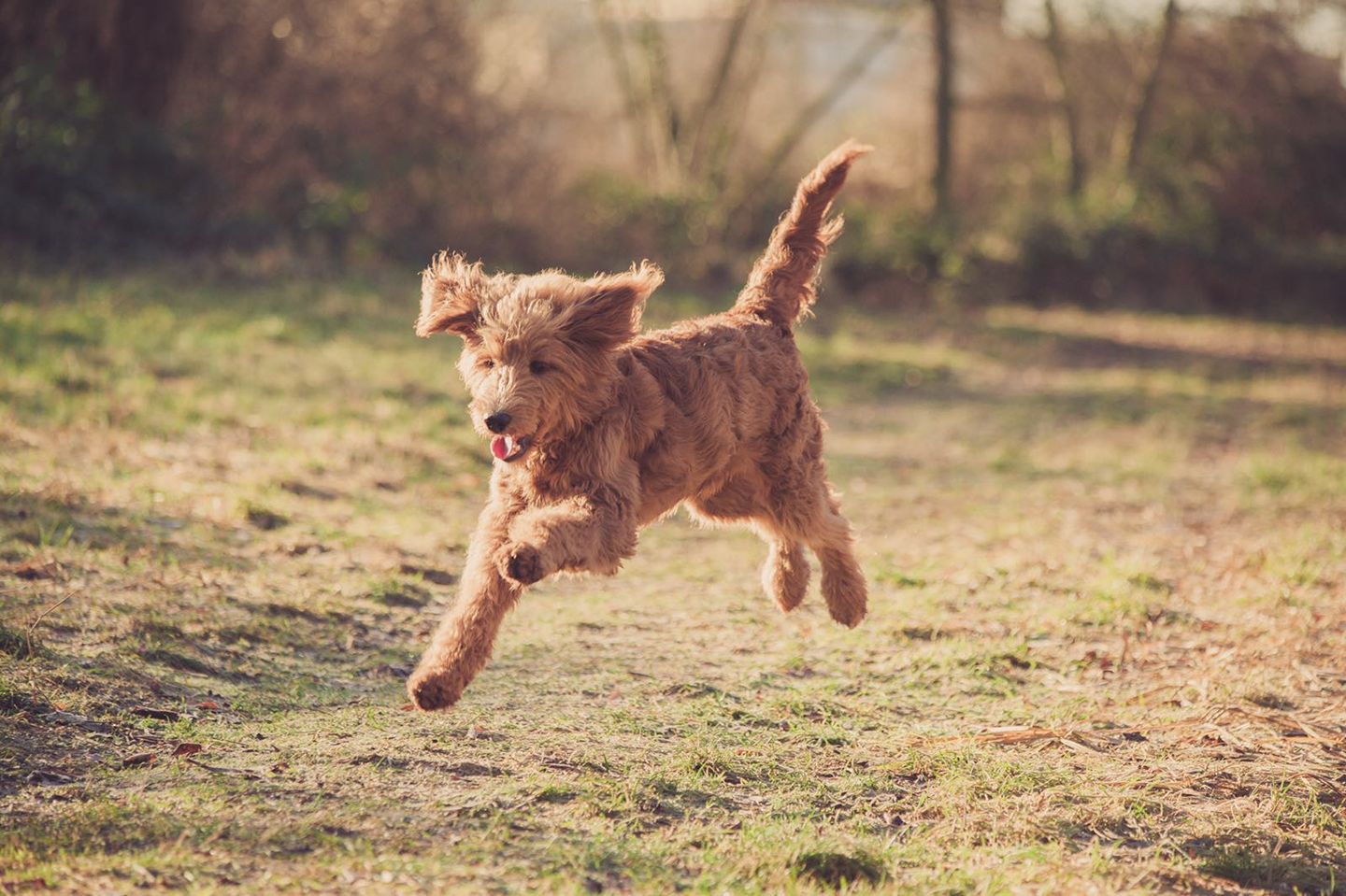
A few months into 2020, governments internationally introduced varying degrees of lockdowns and social distancing to combat the spread of the SAR-CoV-2 virus (Gollwitzer et al. 2020). Seemingly overnight, PhD candidates were faced with entirely redesigning their data collection process, navigating through a cloud of urgency and uncertainty (Roy and Uekusa, 2020: 384). I wish to discuss some of the challenges of conducting virtual, symbiotic ethics research in pandemic environments and, without wishing to sound distasteful, some potential “silver linings” found in doing so. I began a PhD in anthrozoology in January of 2020, which defines the emotional labour of guide dogs and their instructors at Irish Guide Dogs for the Blind (also known as GDMIs). When referring to emotional labour, I refer to the management of feelings to portray professional demeanours in work-related interactions (Hochschild, 1979; 1983). This became a challenge, as I am living in Germany with interlocutors based in Ireland. Research concerning trans-species work, as well as emotion management, is often explored through participant observation. Therefore, this research, an intersection of both, found itself in a unique position when placed under travel restrictions and social distancing measures. The pandemic ushered forward questions of how multispecies ethnographies can be approached in posthuman, pandemic, and post-pandemic environments.
Click the title to keep reading.
Not the Last Pandemic
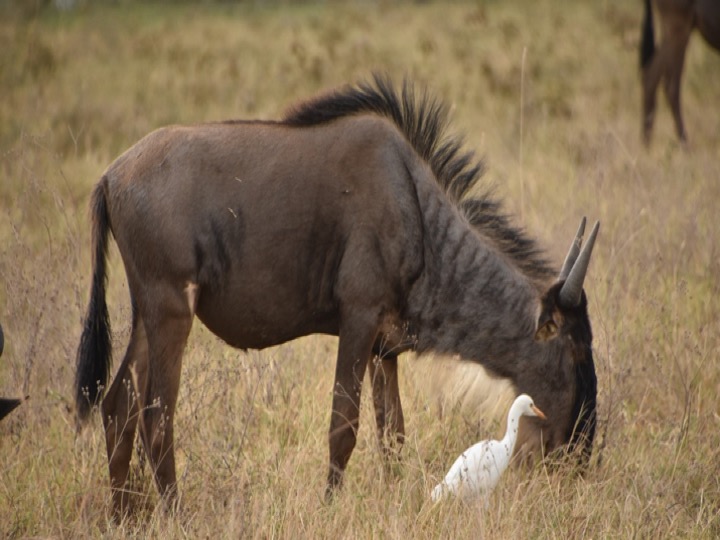
One researcher, one culture, one year. That is the traditional ideal for good ethnography (Randall et al., 2007). But how do you spend time in another culture when you can’t even leave your living room? When the COVID-19 pandemic struck I was preparing to travel to Kenya. Not for a year and not to write the traditional ethnography, but to conduct research for the new type of ethnography, a multispecies ethnography of a conservation encounter (Kiik, 2018; Moore, 2017). My research focuses on the ways that malignant catarrhal fever (a disease of wildebeest) affects Maasai livelihoods and conservation efforts. My time in Kenya would have revolved around interviewing local Maasai herders about their experiences with the disease and observing wildebeest (Connochaetes taurinus) to determine if Maasai persecution of them is changing their behavior, as is the case with other animals in human areas (Kioko et al., 2015; Ogutu et al., 2005; Schuette et al., 2013). However, when travel became impossible the staple methodologies behind my research also became impossible. In fact, the staple methodology, fieldwork, behind all anthropological research became impossible. So, what should we do? Should we sit in our ivory tower twiddling our thumbs and wait for the pandemic to pass? Should we then resume business as usual? What happens when the next pandemic strikes, as it certainly will?
Click the title to keep reading.
 Anthrozoology as Symbiotic Ethics