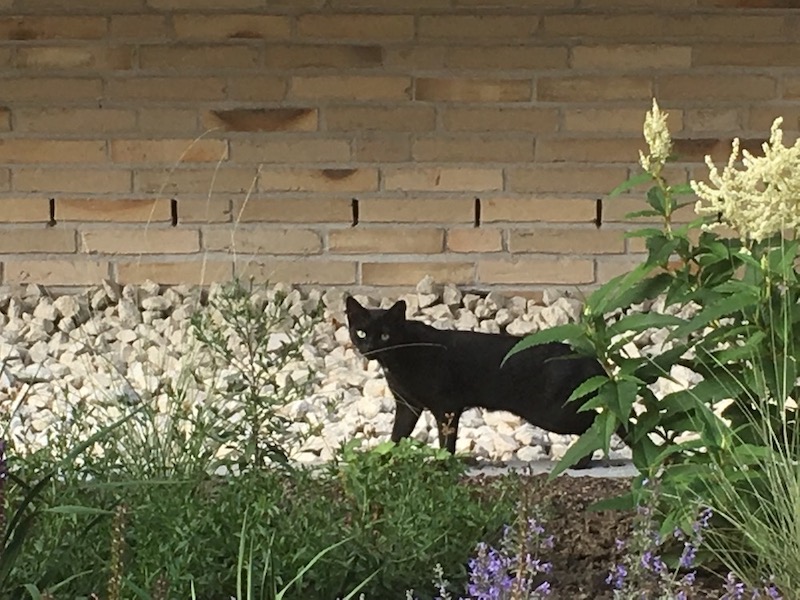
The above ‘announcement’ (Figure 1) showed up in one of the many Facebook groups for domestic cat (Felis catus) guardians and enthusiasts that I am a member of. The post makes fun of the EU’s relatively new General Data Protection Regulation (GPDR) legislation, but in doing so it trivialises the notion of privacy being extended to more-than-human animals (hereafter abbreviated to animals). The message implies that the notion of extending privacy rights to cats is ridiculous. But is it? The concept of privacy in relation to animals is something I continue to grapple with, both as a researcher and personally as a cat guardian.
Click the title to keep reading.
Category Archives: Reframing anthrozoology as symbiotic ethics
Emotional Elephants: The Role of Symbiotic Ethics in an Anthropocentric Study
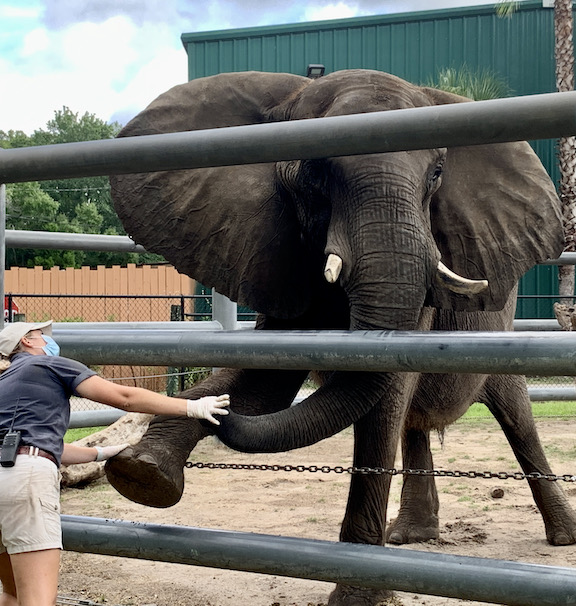
Zoos are widely considered places of societal and environmental importance. While there is ongoing debate regarding the ethics of captivity (e.g., Gruen, 2014; Gray, 2017; DeGrazia, 2011, Donahue and Trump, 2006), most otherthanhuman animals (henceforth animals) who reside in zoos are captive bred (Gray, 2017) and are not viable for release. Therefore, efforts must focus on ensuring they experience the highest standards of care throughout their lives in zoological facilities. Zoo histories have been documented for more than four thousand years (Carr and Cohen, 2011; Mullan and Marvin, 1987; Braverman, 2013; Gray 2017; Norton et al., 2012; Hosey et al., 2009; Grazien, 2015). Over those millennia, the manner in which animals are managed by humans has evolved but the allure of experiencing wild animals in person remains unchanged. In fact, attendance at these cultural trans-species attractions continues to grow, as evidenced by the approximate 700 million visitors to zoos annually (WAZA, 2020; Gray, 2017). Over the course of such visits, zoo users are routinely presented with encounters involving zoo staff and resident animals.
Click the title to keep reading.
Symbiotic ethics and valuing greyhound lives
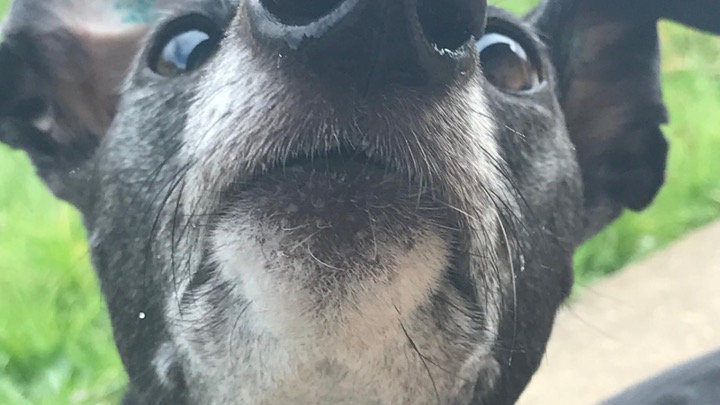
As a PhD student who is part of the EASE working group, my research is underpinned by the reframing of Anthrozoology as symbiotic ethics. This means that I conceive of and attend to the participants in my research as subjective, heterogenous and intrinsically valued beings. However, this ideological position presents some methodological challenges. The non-human others whose lives I am exploring dwell within animal-use industries, where considerations of non-human agency and volition grate against the normative flow of knowledge-production. My research focuses on exploring the lives and experiences of a presumed-homogenous population of dogs whom, for the past c100 years, have been instrumentalised in the name of human entertainment. Fusing together academic pursuit and frontline advocacy which involves caring for injured and unwanted race dogs, my work interrogates and problematises the commodification of greyhounds.
Click the title to keep reading.
 Anthrozoology as Symbiotic Ethics