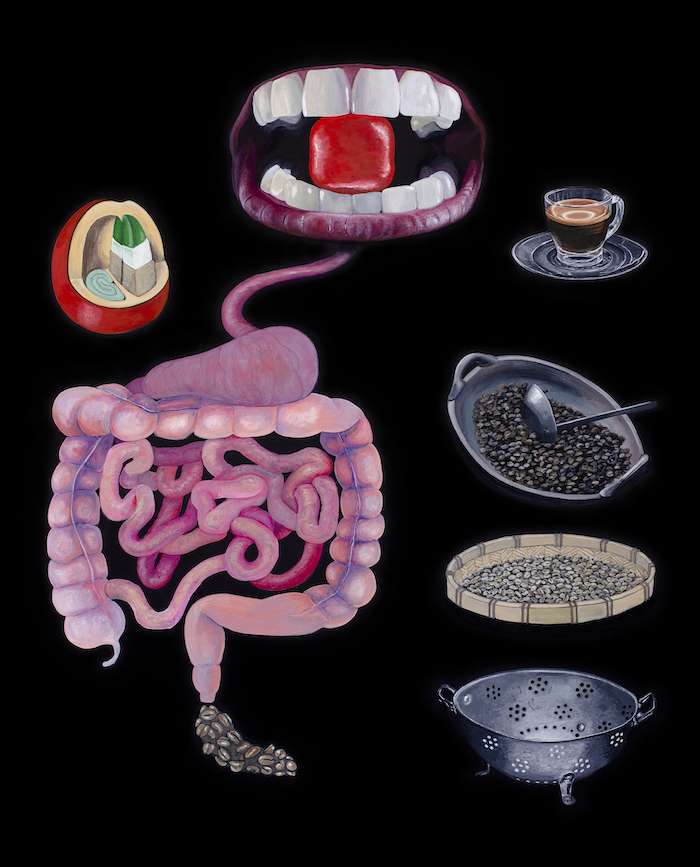
Image by Harrie Liveart
In May 2022, Exeter’s Anthrozoology as Symbiotic Ethics (EASE) working group member, Jes Hooper, travelled to Helsinki to deliver a seminar on human-civet interactions. The seminar was part of an ongoing transdisciplinary and transnational project with Finnish art duo Harrie Liveart, and was held in their solo exhibition in Gallery Forum Box, Finland.
The exhibition comes from the multiyear artistic project ‘Collective Perversion – Proposal for Revaluation’, an investigation of water consumption from the perspective of the water toilet which makes tangible the alienation that fuels capitalist exploitation. The artists have set out to challenge this alienation, drawing attention to cultural attitudes towards bodily processes and to the significance of more-than-human entanglements both within our bodies and wider ecosystems.
The most extensive piece in the art duo’s exhibition is named the “human coffee room” which combines methodological praxis of the arts, humanities, and biological sciences, to investigate the ethics of bodily mechanization and faecal commodification. In doing so, the artists, Meri Linna and Saija Kassinen, sought to apply the Asian palm civet as a lens, as it is this small nocturnal mammal from Southeast Asia from whom the rarest and most expensive coffee in the world is said to originate. Since the Western demand for Civet Coffee has increased, the Palm Civets are often kept in cages as livestock. To best understand the processes and ethics involved in the commodification of the civet digestive tract, the art duo have been working with Jes who is currently studying her Anthrozoology PhD at the University of Exeter. Jes is also the member of the IUCN SSC Small Carnivore Specialist Group and founder of the Civet Project, a research initiative focussing on human-civet interactions.
For this work Harrie Liveart has conducted performative research and produced coffee beans through their own digestive system. The coffee beans have been analysed by Scanning Electron Microscopy in the laboratory of the University of Brighton, UK. The results have been compared to Massimo F. Marcone’s (2004) research on civet coffee beans which reported structurally altered properties of coffee that had passed through the civet’s digestive tract.
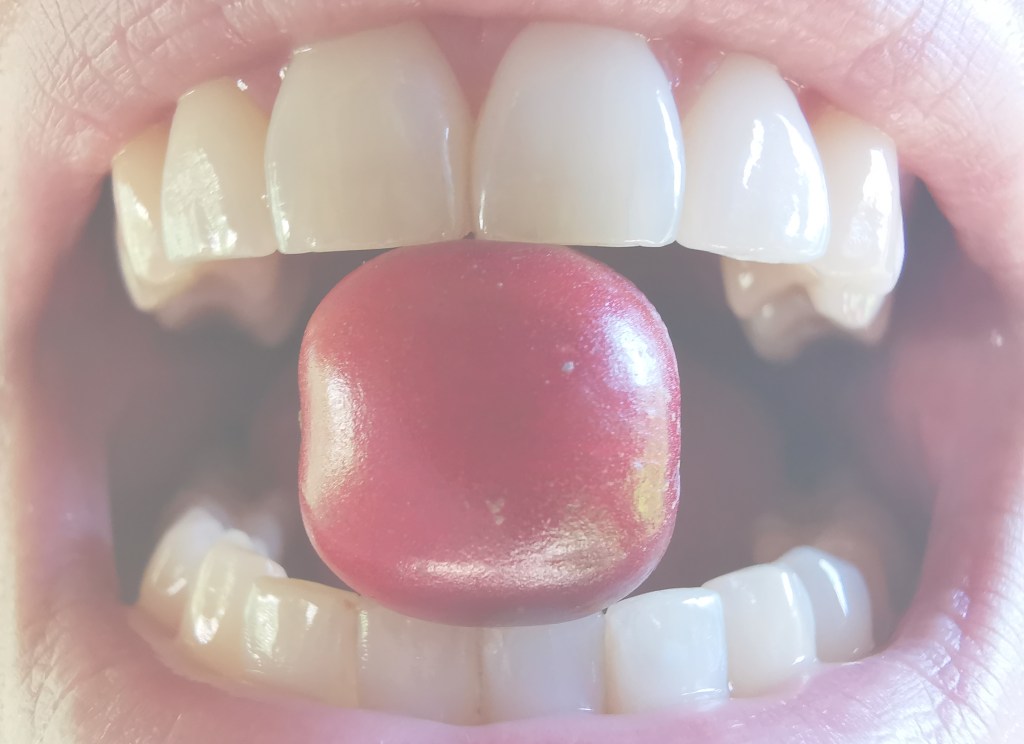
The research demonstrates how multiple species are part of this complex worldmaking and also points to the ethical problems inherent in civet coffee’s production and the methodological issues associated with its authentication process. Their experiment results are reported in a co-authored paper currently under review in the journal ‘Transdispositions’ and, along with multiple related works including the final coffee product, was presented on display at the solo exhibition at Forum Box, Helsinki, from the 5th to the 29th May 2022.
Whilst the civet coffee industry claims an exclusive 127kg annual availability, at only 80g, Coffee H. Liveart is now the world’s rarest coffee. Not only has Jes and “Harries” research found no significant difference between coffee digested through the human or civet digestive tract, the human coffee has now also exceeded the average sale price of civet coffee. Selling for a total of 540 Euro’s for just 20g (one cup) at auction on Saturday 28th May, human-coffee has now taken the title as the world’s most rare and expensive coffee.
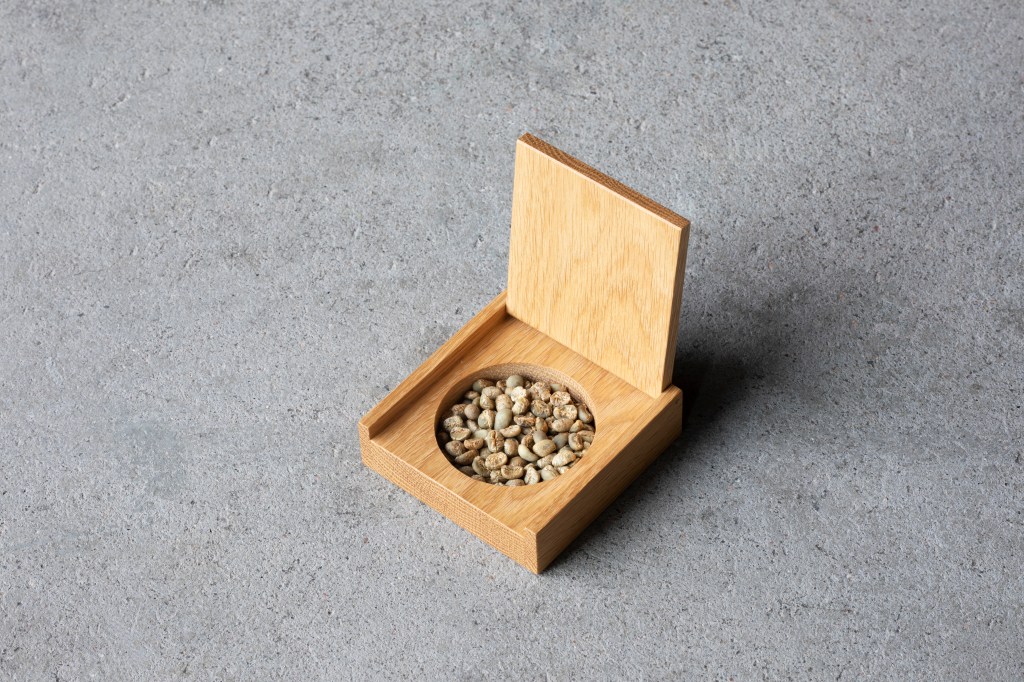
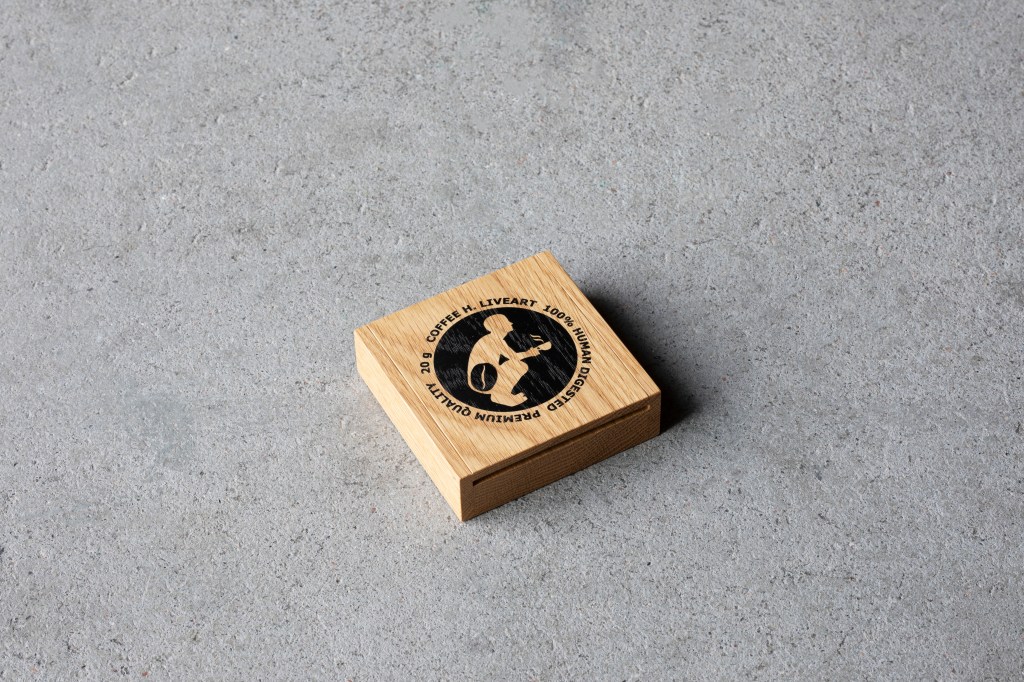
Images by Harrie Liveart
In speaking of the motivation and process involved, artist Saija Kassinnen states:
We were troubled with the notion that normally feces that are considered disgusting are suddenly holding a luxury product and people are willing to pay a great amount to get it.
We wanted to understand this contradiction, but we did not want to be part of civet exploitation in any way.
As performance artists we are accustomed to using our own bodies as a research platform and by knowing our shared similarities to civets as possessors of mammalian digestive systems, we attempted to understand the world making potential of multispecies bodily entanglement through the human digestive tract. This also gave us a chance to investigate people’s attitudes to a new blend of coffee that is produced through the digestive tract of their own species and what other ethical issues this may bring.
EASE post graduate researcher, Jes Hooper, explains:
Civet coffee, produced through the digestive tract of the Asian palm civet, is an inherently cruel practice. As a nocturnal and solitary mammal, civets suffer greatly from their enrolment in capitalist systems. To meet sustained demand from civet coffee in global markets, civets are held captive in battery style cages where they are fed a diet primarily or exclusively of coffee cherries. Like humans, civets suffer from caffeine toxicity, many die prematurely from poor nutrition and stress. Civets also find close proximity to other animals highly stressful; the wire cages cause abrasions and injury and the inability to escape confinement promotes the development of stereotypic pacing and self-mutilation.
Furthermore, with 42% of global coffee estimated to be fraudulent, it is not possible to determine if authentic civet coffee is in fact produced by civets, and civet coffee marketed as “wild collected” cannot be proven to be so. The best thing consumers can do to ensure their coffee is from ethical sources, is to avoid purchasing civet coffee at all regardless of its claimed authentication as from wild, free roaming civets.
Our research into human digested coffee has shown that civets are not unique in their ability to alter the structural properties of coffee, and so even humans can produce similar results to the civet digestive system. These findings are crucial, not only in undermining the status of civet coffee as a luxury product based on its unique physical structure, but in producing what is now the world’s rarest coffee we have reduced civet coffee’s exclusive status. If human coffee can sell for more than the average price of civet coffee (240 euros per kilo), then we can finally say that civet coffee is no longer the world’s most rare or expensive coffee, a claim to which civet coffees success and civet cruelty relies.
For more information on the exhibition and research process you can read one of the critically acclaimed reviews here: https://www.hs.fi/kulttuuri/art-2000008823165.html?fbclid=IwAR0CYyQx0DtU0wVMBgXwY0XWKiR7Nj8iB3ZwbwFuib0LHss6VGVSn9Qqk-g
Harrie Liveart’s webpage can be viewed here: https://harrieliveart.com/
Jes Hooper’s Anthrozoology research website can be viewed here: www.thecivetproject.com
Author Bio:
Jes Hooper is an Anthrozoology PhD student with the University of Exeter and a member of Exeter’s Anthrozoology as Symbiotic Ethics (EASE) working group. Jes’ current research focuses on human-animal encounters within the trade in exotic wildlife for the pet, coffee, tourism, and conservation industries. Jes’ PhD project, The Civet Project, follows the stories of Viverridae species entangled within live animal trade, with encounters viewed through a trans-species lens. Jes’s work actively engages with interdisciplinary scholarship including collaborations with visual artists, critical tourism academics, conservationists, zoo keepers and fellow anthrozoologists. Jes blogs under the name Shilo & Patch.
Contact email: jh1220@exeter.ac.uk
Twitter: @JesTeekaae
 Anthrozoology as Symbiotic Ethics